 Design system
Photography
Show real work in context
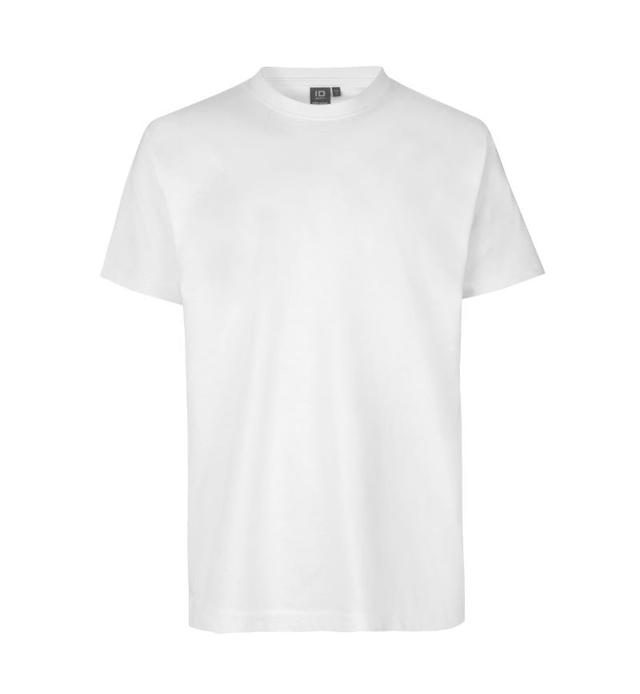
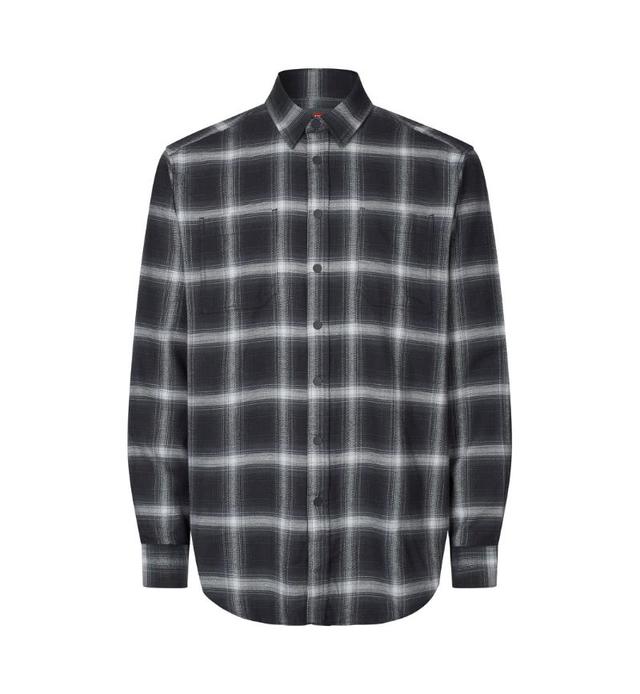
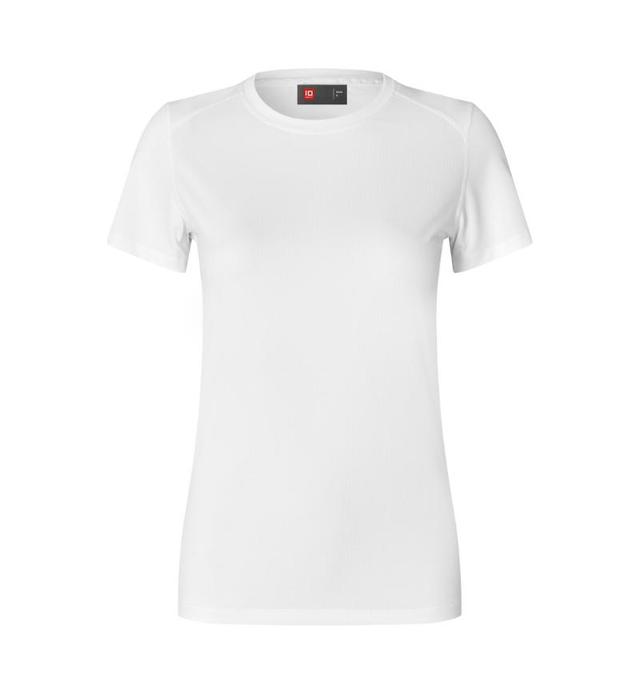
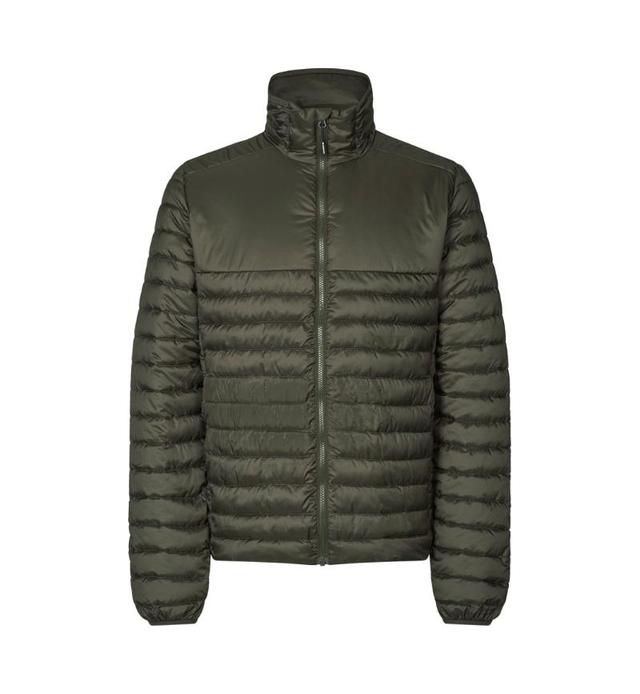
The system uses two photographic modes. Product cutouts on white make garments easy to compare in grids and matrices. Editorial photography shows people working together in a credible environment. The garment supports the story rather than becoming a prop.
Product cutouts
Use consistently cropped product cutouts on white in lists and matrices. Keep the complete garment visible and use even lighting. The white image surface remains white in dark mode so products stay comparable.
color.white (photo surface)product-card partial
Editorial photography brief
Show people working together. Prefer actions over poses and teams over isolated portraits.
- People
- Cast people who look credible in the setting. Include varied ages, body types, and EU sizes from S to 6XL across the image set. Capture concentration, conversation, and pauses rather than directed smiles.
- Environments
- Use real workplaces that fit the subject, such as a workshop, warehouse, kitchen, clinic, or office. A working environment may look used. Show appropriate safety equipment when the task requires it.
- Light and grading
- Prefer natural or existing workplace light. Use a neutral to warm grade without teal-orange filters or heavy HDR. Natural texture and motion blur are acceptable when they support the activity.
- Crop and formats
- Capture enough surrounding space to support the required landscape, portrait, and square crops. Plan a clear text area when the image will carry a heading.
- Garments
- Show garments in use, with realistic styling and approved logo applications. Avoid arranging people as a catalogue lineup.
What to avoid
Avoid stock smiles to camera, empty lifestyle sets, and people used only as garment stands. If the setting does not add credible work context, use a product cutout instead.
Example scenario: two installers discuss a drawing beside a lift in a workshop that is visibly in use.
A model in a pressed polo smiles at the camera in front of a blank wall.